
One of the things I love most about living in Puglia is that, during the summer, you never quite know where the next festa, concert or celebration will take you.
Over the last few days, I’ve experienced three very different sides of Salento’s extraordinary musical traditions: La Notte della Taranta in Melpignano, Le Ronde della Taranta in Galatina and Le Balconate in a tiny little town called Soleto.
And if there’s one thing they all have in common, it’s that the pizzica is very much alive.
La Notte della Taranta: when “sweaty” doesn’t cover it
On Saturday night, we headed to Melpignano for the famous Concertone della Notte della Taranta.
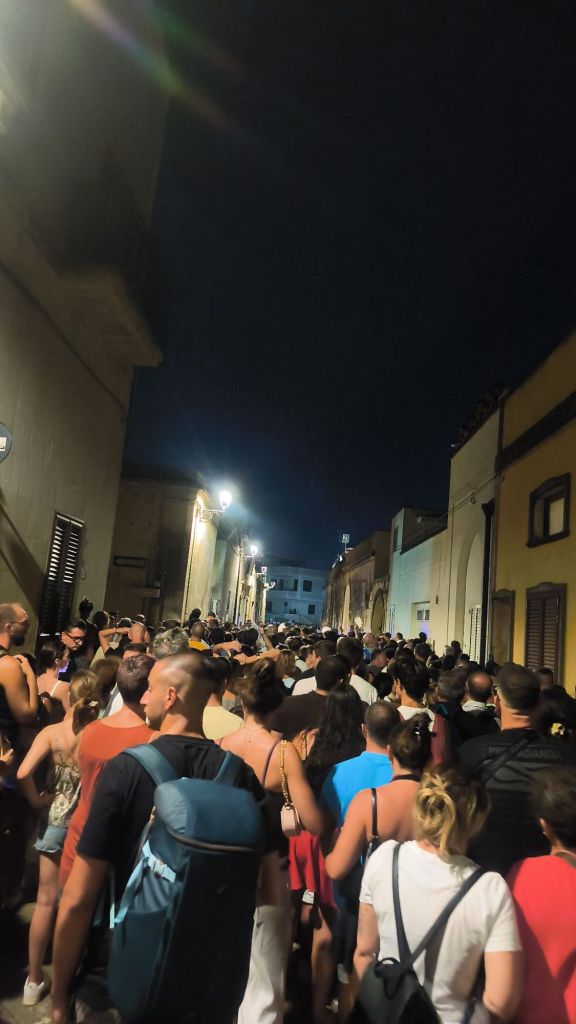
I knew it was going to be big.
I just hadn’t quite prepared myself for 150,000 people.
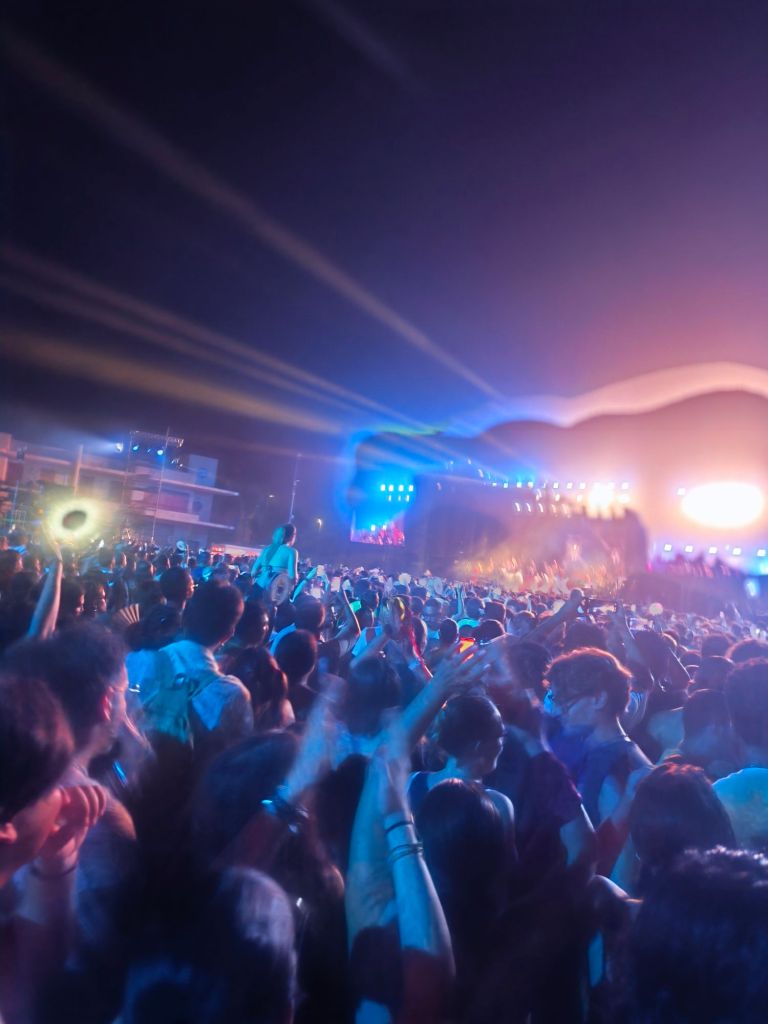
And hot?
“Sweaty” doesn’t even begin to describe it.
I was basically slow-roasting in a human pressure cooker, surrounded by thousands upon thousands of people generating enough heat and energy to make me wonder whether I might simply melt into the ground.
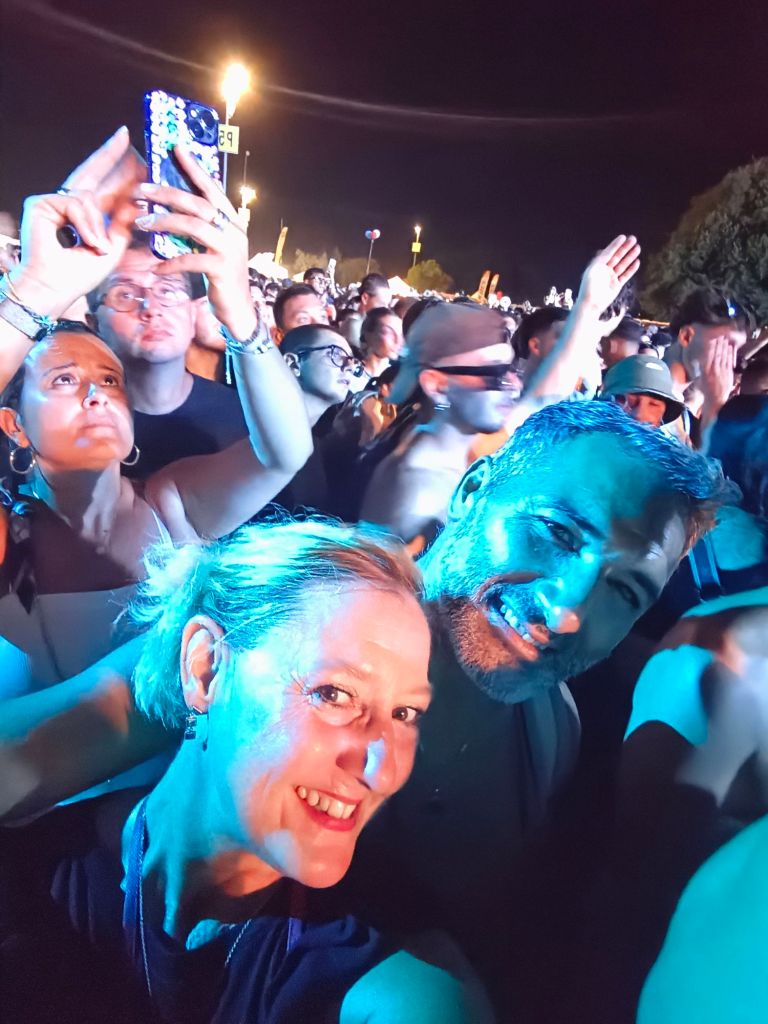
But the atmosphere was incredible.
Yes, there was a huge main stage, famous artists and the fantastic music of the pizzica — but some of my favourite moments were happening away from the stage.
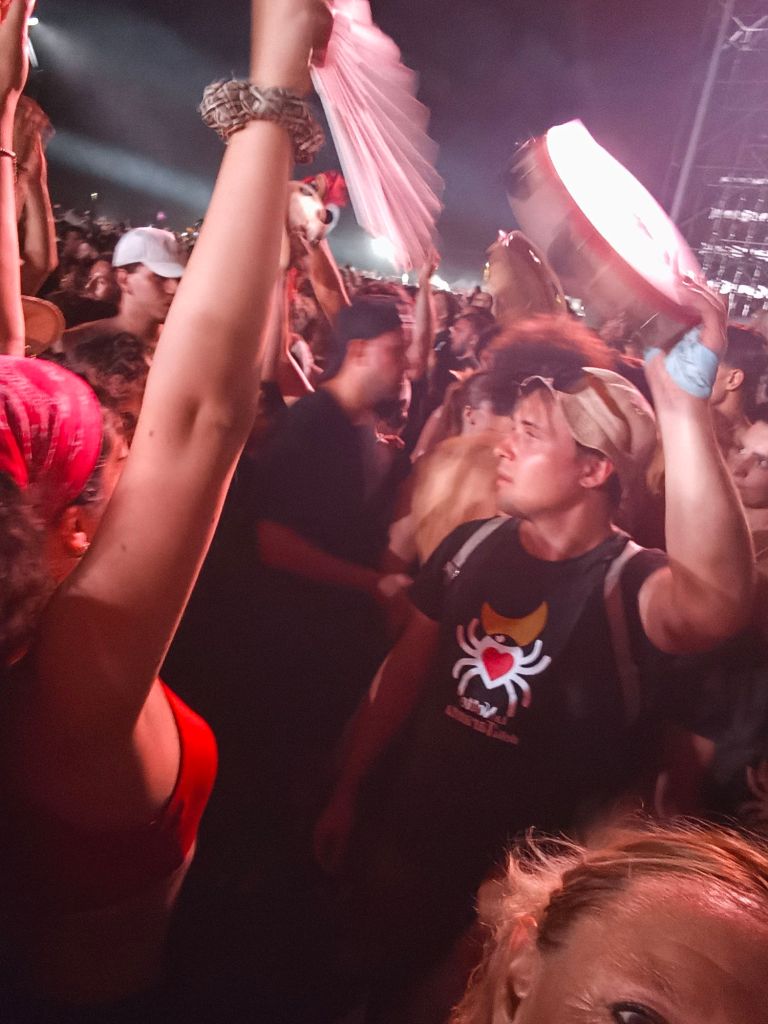
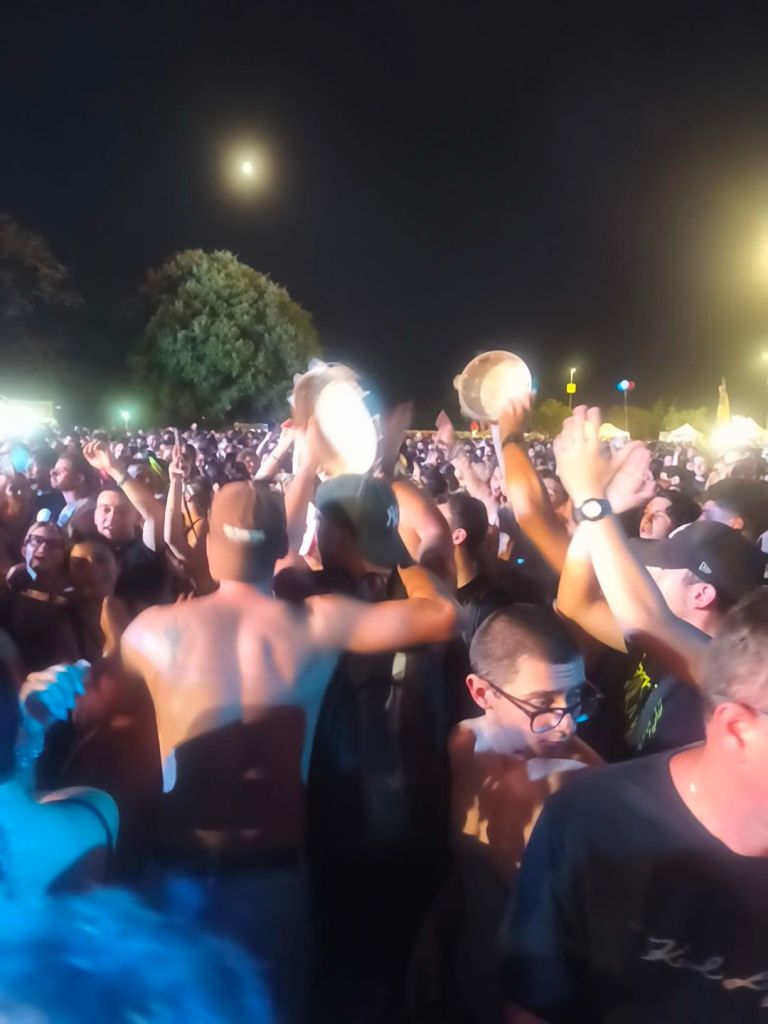
All around us, little groups of people were creating their own mini-concerts. Someone would start playing a tamburello, people would form a circle and suddenly there was dancing, singing and complete strangers being encouraged to join in.
There was wine, beer, fans waving frantically and plenty of plastic cups — safety first, of course!
It didn’t feel like 150,000 people had simply come to watch a concert.
It felt like Melpignano itself had become the stage.
But what is the Taranta?
The tradition is linked to the fascinating history of tarantism, particularly associated with Salento and Galatina.
Historically, people believed that those bitten by a tarantula could fall into a strange state that could only be cured through music and increasingly frantic dancing.
Over time, these traditions evolved into the pizzica — the fast, hypnotic music and dance driven by the unmistakable rhythm of the tamburello.
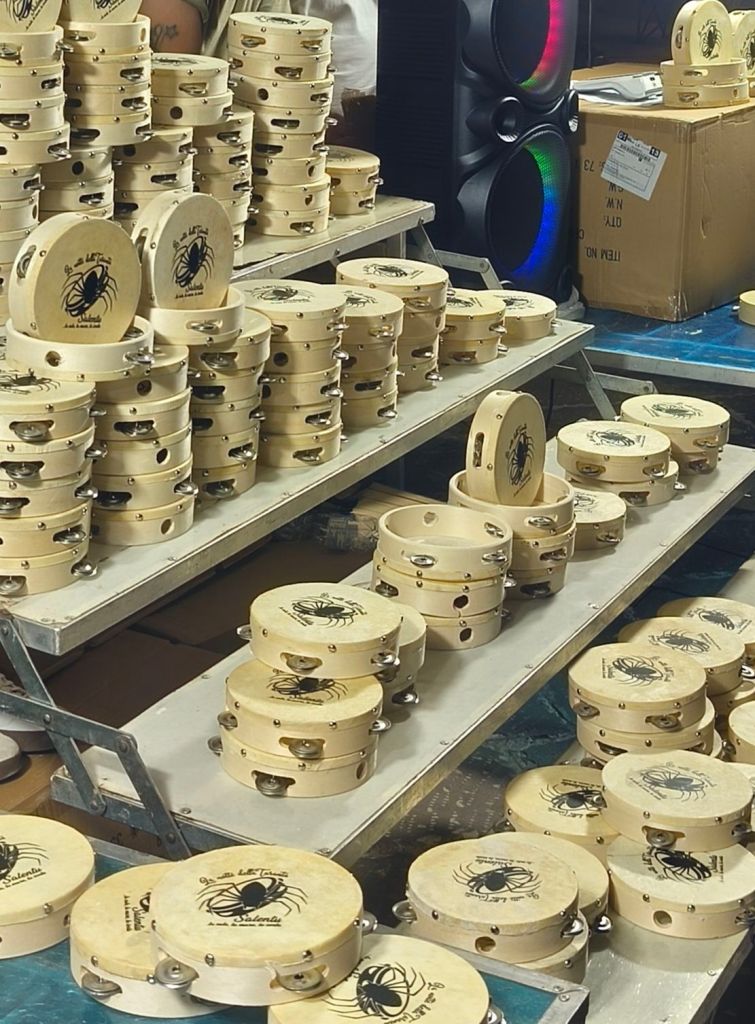
Thankfully, these days you don’t need to be bitten by a spider to enjoy it.
Although after several hours dancing in the Salento summer heat, you might start moving as though you have been.
Following the Pied Piper of the pizzica world
The following evening, completely by chance, we stumbled across Le Ronde della Taranta in Galatina.
This was a very different experience.
Rather than everyone facing one enormous stage, musicians and performers moved through the streets, playing as they went, with crowds following behind them.
Honestly, it was like following the Pied Piper of the pizzica world.
You’d hear the music, see a group of musicians and start following them — and before long, you’d forgotten entirely where you were originally going.
Again, there were little circles of people dancing in the streets and inviting complete strangers to join them.
And one of the wonderful things about these events is that they’re completely free. You can simply wander into the town, follow the music, watch the performances or join a circle of dancers — no expensive concert ticket required.
And then there are the Balconate…
Another wonderful event is Le Balconate, where the streets and balconies of the historic centre become part of the performance.
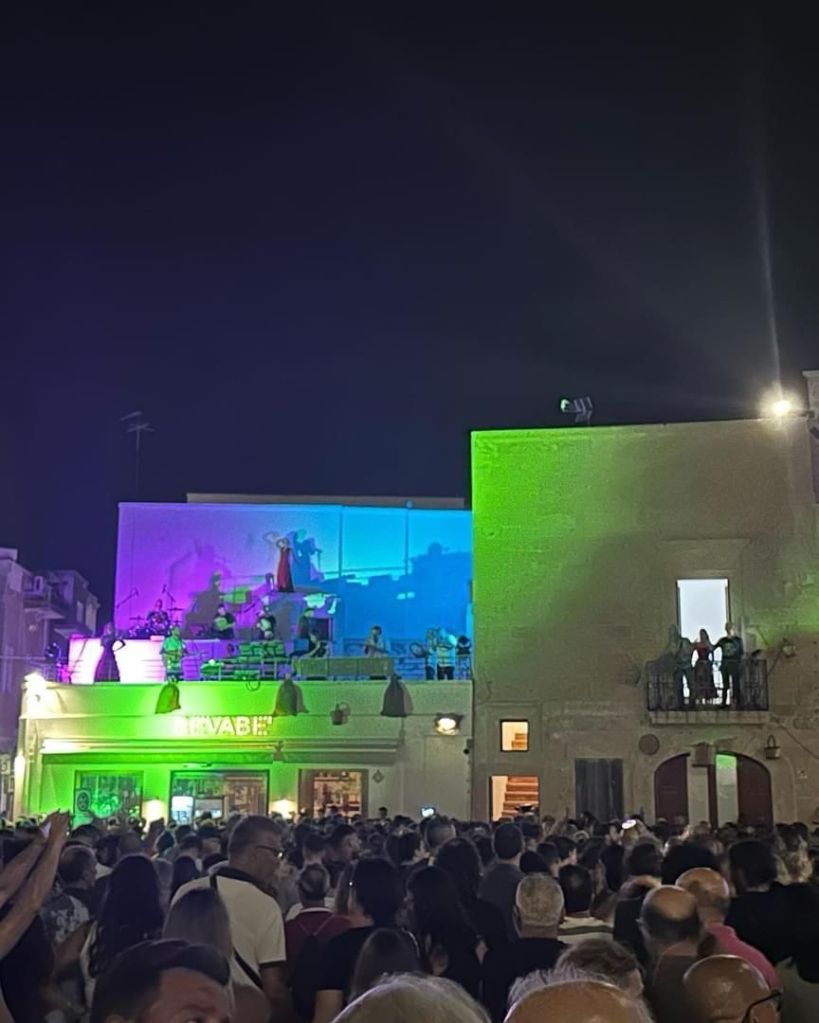
Instead of simply standing in front of a stage, people move through the town following the music, with musicians and performers appearing from balconies above them.
The whole town becomes a theatre.
And I think that’s what makes these events so special.
Keeping the traditions alive
What struck me most over these three experiences was seeing just how alive Salento’s traditions still are.
Yes, La Notte della Taranta has become enormous, attracting famous artists and crowds of more than 100,000 people.
But underneath all the spectacle is something wonderfully simple:
A drum.
A rhythm.
A circle of people.
And the irresistible urge to dance.
Whether you’re surrounded by 150,000 people in Melpignano, following musicians through the streets of Galatina or looking up towards performers on a balcony in Soleto, one thing is clear:
This isn’t traditional music preserved behind glass in a museum.
It’s living, breathing, dancing, sweating culture.
And yes…
There was definitely a lot of sweating.
But I wouldn’t have missed it for the world.


Leave a comment